Understanding the Different Types of Valves Used in Food Processing
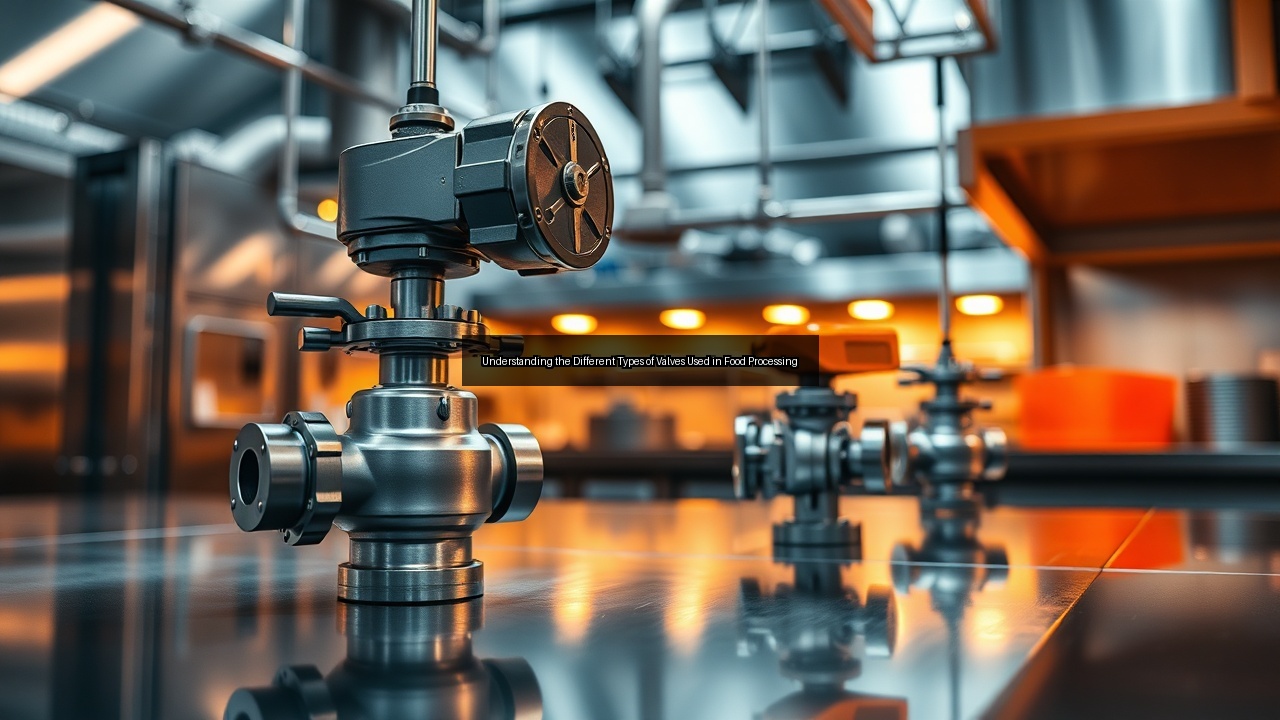
Types of Valves in Food Processing
Overview of Valves Used in Food Processing
Valves for food processing play a crucial role in the efficient operation of various systems within the food and beverage industry. These valves regulate the flow of fluids, control pressure, and ensure the safe transfer of ingredients and finished products. Manufacturers utilize a variety of valve types, each designed to meet specific operational needs and standards. Common valve types include ball valves, control valves, and check valves. Each of these serves unique functions, from allowing or restricting flow to maintaining pressure levels within processing lines. Understanding these types and their applications is essential for optimizing operations in food processing plants, ensuring that products meet quality and safety standards while also enhancing efficiency in production and packaging.
Importance of Valve Selection for Food Safety
Selecting the appropriate valves for food processing directly impacts food safety and compliance with industry regulations. The food processing industry adheres to stringent safety standards, such as those set forth by the FDA. Choosing valves made from suitable materials and with proper designs ensures that they do not contaminate the food or beverages being processed. For example, valves must be easy to clean and sanitize, as any residual food particles can lead to bacterial growth and compromise product safety. Additionally, selecting valves that can withstand the specific temperatures and pressures involved in processing can prevent leaks and failures. Proper valve selection not only protects consumer health but also upholds the integrity of the brand and the quality of the food products.
Common Materials for Food Processing Valves
The materials used in the construction of valves for food processing are critical to their performance and safety. Stainless steel is the most common choice due to its corrosion resistance, durability, and ease of cleaning. It meets FDA standards, making it a preferred option for valves in direct contact with food. Other materials, such as plastic, are also used in certain applications where flexibility or lightweight properties are advantageous. However, any material used must ensure that no harmful substances leach into the food or beverage. Additionally, the choice of material impacts the valve's ability to handle different fluid characteristics, such as viscosity and temperature. Understanding the properties of these materials is vital for selecting the right valve for specific food processing applications.
Key Valve Types and Their Applications
Ball Valves: Versatile Solutions for Food and Beverage
Ball valves represent one of the most versatile solutions for fluid control in the food and beverage industry. Their design features a spherical disc that allows or blocks flow, providing a straightforward on/off mechanism. This simplicity makes ball valves ideal for applications requiring quick shut-off, such as in the transfer of ingredients like oils in baked goods or syrups in confectionery. The smooth surface of a ball valve minimizes turbulence and is easier to clean, which is crucial in maintaining hygiene standards. Available in various sizes and configurations, ball valves can accommodate diverse needs, from small-scale production to large automated systems. Their reliability and effectiveness in controlling flow make them a staple in food processing environments.
Control Valves: Regulating Fluid Flow in Automated Systems
Control valves play a pivotal role in automated systems within food processing, regulating the flow of fluids to maintain desired pressure and temperature levels. These valves respond to signals from control systems, making them essential for processes that require precise fluid management. For instance, in the beverage industry, control valves ensure that carbonated drinks maintain the right balance of carbonation and flavor. They adjust the flow rate based on real-time data, optimizing production efficiency and minimizing waste. These valves can be equipped with various actuators, including electric, pneumatic, and hydraulic options, providing flexibility in system design. The integration of control valves in automated systems enhances productivity, ensuring consistent quality in food and beverage products.
Check Valves: Ensuring Unidirectional Flow in Food Processing
Check valves are vital components in food processing, ensuring unidirectional flow and preventing backflow of fluids. This function is particularly important in systems where cross-contamination could pose health risks. For example, in processes that involve transferring fluids between different stages of production, check valves help maintain the integrity of the product by preventing contamination from residual fluids. They operate automatically, opening with forward flow and closing to block reverse flow. This automatic operation reduces the need for manual food processing valves monitoring, contributing to streamlined food processing valves operations. Check valves find applications in various food processing scenarios, from pasteurization systems to packaging lines, where maintaining the flow direction is crucial for both safety and efficiency.
Safety Considerations in Valve Selection
Safety Relief Valves: Protecting Against Overpressure
Safety relief valves are essential for protecting food processing systems against overpressure conditions. These valves automatically release excess pressure, preventing equipment failure and ensuring safe operations. In the food and beverage industry, where processes often involve heating or pressurizing liquids, safety relief valves mitigate the risk of dangerous pressure build-up. For instance, in steam sterilization processes, these valves ensure that pressure levels remain within safe limits, safeguarding both equipment and personnel. Regular inspection and maintenance of safety relief valves are crucial to ensure they function effectively when needed. Implementing these valves as part of a comprehensive safety strategy enhances operational reliability and compliance with industry safety regulations.
Sanitary Valves: Meeting FDA Regulations in Food Production
Sanitary valves are specifically designed to meet stringent FDA regulations in food production. These valves minimize the risk of contamination by ensuring that surfaces are smooth and easy to clean. They often feature specialized designs that prevent fluid retention, which can harbor bacteria. Sanitary valves come in various types, including ball valves, butterfly valves, and check valves, each tailored for specific applications within food processing. The use of sanitary valves is a critical component in achieving compliance with food safety standards, protecting both consumers and manufacturers. Regular maintenance and inspections of these valves are necessary to uphold their effectiveness in safeguarding the hygiene of food products.
Maintaining Hygiene: Cleaning and Maintenance Practices for Food Valves
Proper cleaning and maintenance practices for valves in food processing are vital for ensuring hygiene and preventing contamination. Regular cleaning schedules should be established based on the specific requirements of the food products being processed. For example, valves that handle dairy products may require more frequent cleaning compared to those used for dry ingredients. Manual cleaning, automated cleaning-in-place (CIP) systems, and thorough inspections should be part of a comprehensive maintenance program. Using food-safe cleaning agents that comply with industry standards is essential to avoid product contamination. Ensuring that all valves are regularly inspected for wear and tear helps maintain operational efficiency and prolongs the lifespan of the equipment, ultimately contributing to the overall safety and quality of food processing operations.