The Importance of Pump and Hose Systems in High-Capacity Commercial Dehumidifiers
Understanding Commercial Dehumidifiers
What is a Commercial Dehumidifier?
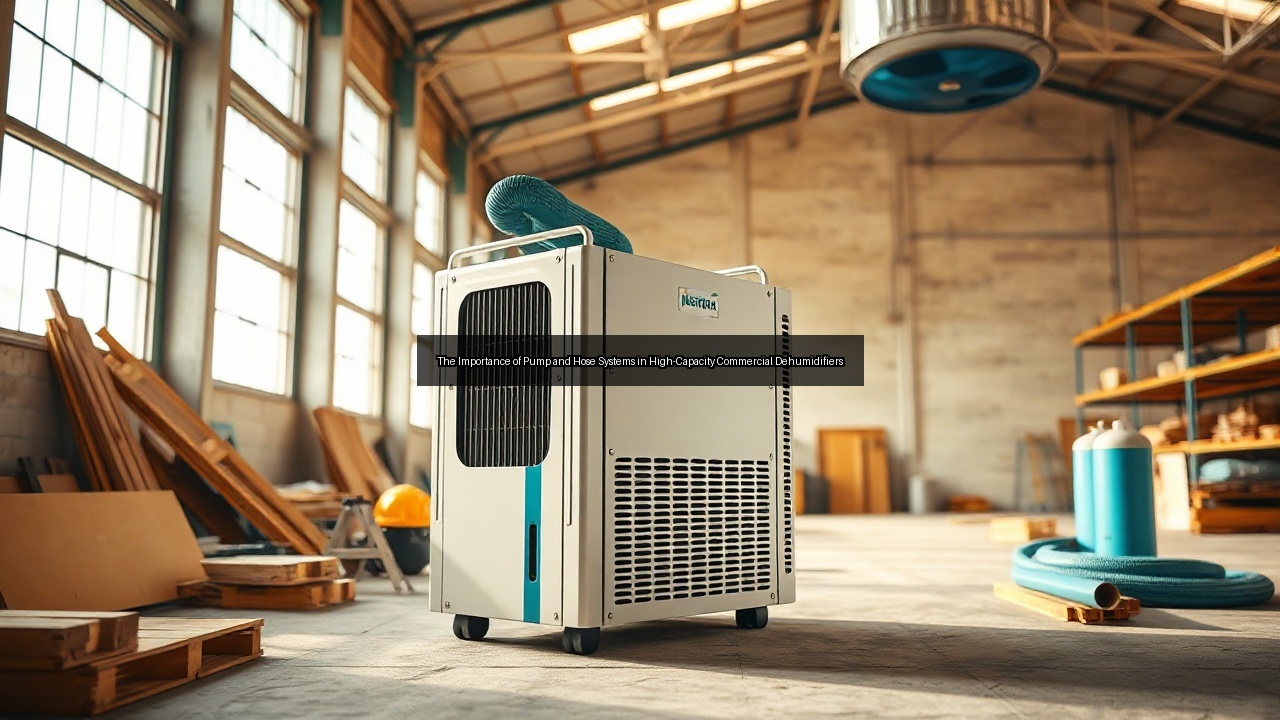
Commercial dehumidifier units extract large volumes of moisture from air in demanding environments. These systems handle capacities measured in pints per day and serve spaces far beyond residential needs. Operators rely on them in warehouses, construction zones, and facilities where humidity control prevents damage to materials and equipment. A commercial dehumidifier processes air through cooling coils that condense water vapor, then directs the dry air back into the space. Models often integrate with HVAC systems for coordinated performance across entire buildings. Users select units based on square footage, expected moisture load, and required drying speed. Commercial dehumidifiers differ from smaller units by offering higher extraction rates and durable components built for continuous operation.
Key Features of Commercial Dehumidifiers
Commercial dehumidifiers include robust pumps that move collected water through hoses to distant drains without manual intervention. High-capacity fans deliver strong airflow measured in CFM to cover expansive areas quickly. Many units carry Energy Star ratings that confirm lower electricity use during extended runs. Sound pressure level ratings stay low enough for occupied spaces, while corrosion-resistant housings withstand harsh conditions on construction sites or near pools. Digital controls allow precise humidity setpoints, and auto-restart functions resume operation after power interruptions. These features combine to support reliable dehumidification in high-traffic commercial settings where downtime is costly.
How Dehumidifiers Work in High-Capacity Settings
High-capacity commercial dehumidifiers pull warm, humid air across refrigerated coils. Moisture condenses into a collection pan or direct drain line equipped with a pump and hose assembly. The pump then pushes water away through the hose, keeping the unit running without overflow. Dehumidified air passes over warm condenser coils to regain heat before re-entering the space. This cycle repeats rapidly thanks to powerful motors and large coils rated in tons of capacity. In warehouses or after flooding, the system maintains steady airflow that accelerates drying of walls, floors, and stored goods. Consistent operation prevents secondary issues like mold while protecting inventory and structural integrity.
The Role of Pump and Hose Systems
Importance of Pumps in Dehumidification
Pumps inside commercial dehumidifier units remove water continuously so the machine never pauses for emptying. A reliable pump handles several gallons per hour and works against gravity when the drain sits above the unit. Without an effective pump, operators face frequent manual intervention that disrupts drying schedules on construction projects or in warehouses. Quality pumps also include float switches that shut the dehumidifier off if a blockage occurs, protecting against overflow. In flood recovery, these pumps run for days without failure, moving water through long hose runs to exterior drains. Their performance directly determines how fast a space returns to safe humidity levels.
Choosing the Right Hose for Your System
The hose attached to a commercial dehumidifier must resist kinking and chemical degradation while carrying water away efficiently. Operators select diameters that match pump output to maintain steady flow without back pressure. Reinforced hoses handle the heat generated during dehumidification and stay flexible in cold environments. Length matters too; longer runs require pumps with higher head pressure to push moisture to remote drains. In spas or pools, hoses route condensate outdoors to avoid slipping hazards. Proper hose selection keeps airflow unobstructed inside the unit and supports uninterrupted moisture removal across large commercial areas.
How Pumps and Hoses Enhance Airflow
Effective pump and hose combinations free the commercial dehumidifier from water buildup that could otherwise restrict internal airflow. When condensate drains quickly, the evaporator coils stay clear and maintain optimal CFM ratings. Restricted drainage forces the unit to cycle off, reducing overall drying capacity measured in pints per day. In warehouse applications, strong pump performance paired with correctly sized hoses allows continuous fan operation that circulates dehumidified air evenly. This synergy improves temperature consistency and prevents localized moisture pockets that encourage mold. Proper drainage design therefore multiplies the effectiveness of every ton of dehumidification capacity.
Applications of Dehumidifiers in Various Industries
Construction Sites and Moisture Control
Construction crews deploy commercial dehumidifiers to accelerate drying of concrete, drywall, and lumber. Excess moisture delays finishes and promotes mold if left unchecked. Units equipped with pumps and hoses remove water around the clock, even when crews leave the site. High CFM fans push dry air into enclosed spaces while the pump sends condensate outside through long hose runs. Contractors track progress with hygrometers and adjust settings to reach target humidity levels before painting or flooring installation. Energy Star models reduce fuel costs on long projects. These practices keep schedules on track and protect building materials from hidden damage.
Warehouses: Maintaining Ideal Humidity Levels
Warehouse managers install commercial dehumidifier units to protect stored goods from corrosion, warping, and spoilage. Large open spaces demand high-capacity models that move thousands of CFM while integrating with existing HVAC systems. Pumps and hoses route water to floor drains without creating trip hazards near forklifts. Consistent humidity control below 50 percent prevents condensation on metal products and keeps paper goods dry. Operators monitor sound pressure level ratings to avoid disturbing staff. In regions with seasonal flooding risks, these dehumidifiers provide rapid response that limits inventory loss and insurance claims.
Spas and Pools: Ensuring Comfort and Safety
Spas and indoor pools generate constant moisture that raises humidity and creates slippery surfaces. Commercial dehumidifiers sized in tons of capacity pull humid air from the space and return dehumidified, slightly warmed air that improves swimmer comfort. Integrated pumps send condensate through hoses to exterior drains, eliminating standing water near walkways. Precise humidity control also protects building envelopes from hidden mold growth behind walls. Energy Star certified units keep operating costs manageable despite 24-hour demands. Sound pressure level considerations matter in relaxation areas where quiet performance enhances the guest experience.
Energy Efficiency and Performance Metrics
Energy Star Ratings and Their Importance
Energy Star ratings guide buyers toward commercial dehumidifiers that deliver strong moisture removal with lower electricity consumption. These certified models often include variable-speed compressors that adjust output to match real-time humidity loads. Lower energy use translates directly into reduced operating expenses across warehouses or construction sites running multiple units. Pumps and fans in rated units maintain efficiency even when paired with long hose runs. Facility managers compare annual energy costs before purchase to justify upgrades that pay for themselves through utility savings and extended equipment life.
Understanding CFM and Its Impact on Dehumidification
CFM ratings determine how much air a commercial dehumidifier processes each minute. Higher numbers allow faster moisture removal across large square footage. Effective airflow depends on unobstructed coils and efficient pump drainage that prevents water from impeding fan performance. In flood recovery, units with 300-plus CFM clear humidity from entire floors within hours. Operators match CFM to space volume and expected moisture load so drying completes before secondary damage occurs. Proper hose routing supports these airflow goals by keeping the system running at full capacity.
Noise Levels: Sound Pressure Level Considerations
Sound pressure level specifications matter when commercial dehumidifiers operate near workers or guests. Quieter models use insulated cabinets and balanced fans that reduce vibration transmitted through floors. Pump operation adds minimal noise when hoses remain free of air pockets. In spas, low-decibel units preserve a calm atmosphere while still delivering needed dehumidification. Construction teams accept louder equipment outdoors but prefer quieter options inside finished spaces. Selecting appropriate sound ratings prevents complaints and maintains productivity during extended drying projects.
Managing Humidity and Preventing Mold Growth
The Relationship Between Humidity and Mold
Mold spores activate once relative humidity exceeds 60 percent for extended periods. Commercial dehumidifiers hold levels below this threshold by removing pints of water daily from the air. Consistent operation prevents colonies from forming on drywall, carpet, or stored inventory. Pumps and hoses keep units draining so dehumidification never stops during peak moisture events. Warehouse operators combine these machines with regular inspections to catch early signs before remediation costs rise. Maintaining control also reduces musty odors that affect occupant comfort and perceived air quality.
Flooding Recovery: The Role of Dehumidifiers
After flooding, commercial dehumidifier units accelerate structural drying that prevents long-term mold and material loss. High-capacity models extract hundreds of pints daily while pumps move water through hoses to safe discharge points. Airflow from powerful fans reaches wall cavities and underfloor areas when paired with proper placement. Crews monitor temperature and humidity to confirm conditions stay within the drying zone. Energy Star units lower fuel expenses during weeks-long recoveries. Effective pump and hose systems eliminate the need for constant monitoring of collection tanks, freeing staff for other restoration tasks.
Maintaining Optimal Temperature and Humidity
Balanced temperature and humidity work together to protect both people and property. Commercial dehumidifiers remove latent heat along with moisture, which helps HVAC systems maintain setpoints without overcooling. In pools and spas, this prevents the chill that occurs when humidity stays high. Warehouses benefit from stable conditions that keep products at ideal moisture content. Regular filter changes and hose inspections ensure pumps continue supporting steady dehumidification. These practices deliver consistent comfort, lower energy bills, and extend the life of building materials across commercial facilities.
See Also
- How to Maintain Ideal Temperature and Humidity Levels with Dehumidifiers
- Understanding CFM Ratings in Commercial Dehumidifiers for Optimal Air Flow
- Flooding and Beyond The Essential Role of Dehumidifiers in Construction Sites
- The Ultimate Guide to Choosing the Right Commercial Dehumidifier for Your Space